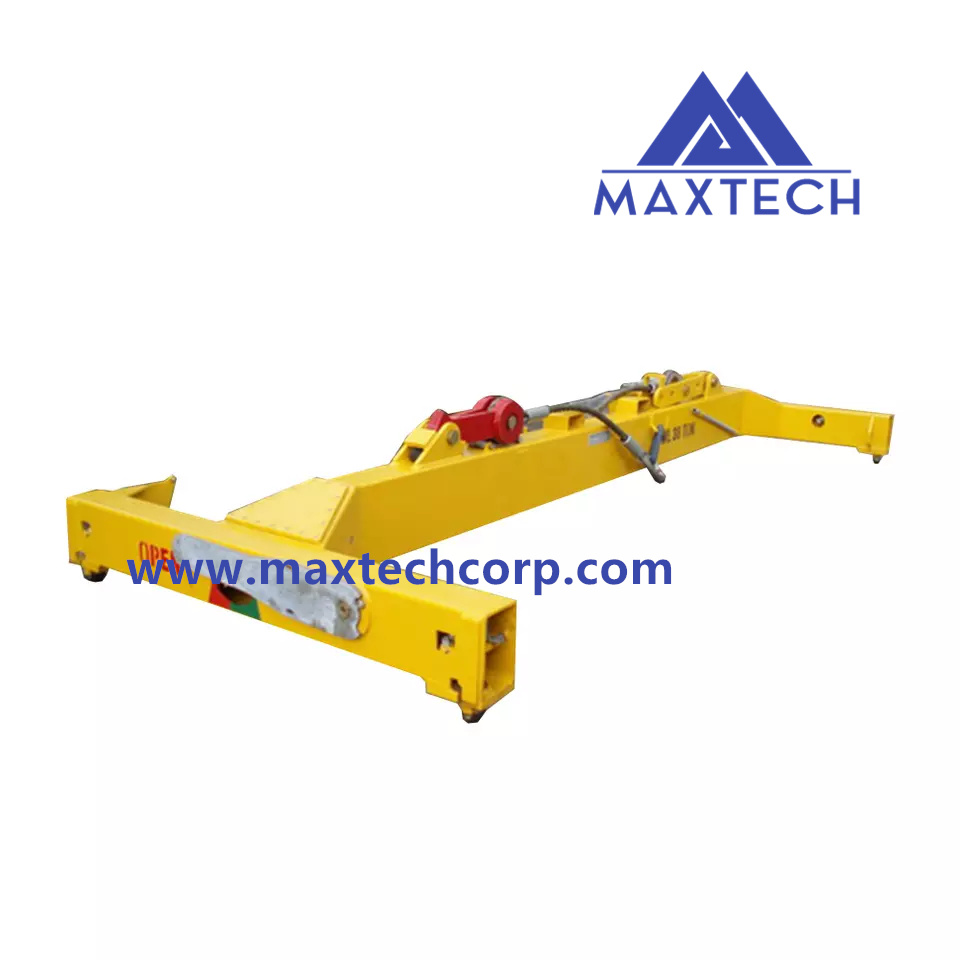
I Type Container Spreader - ODM Solutions from Trusted Factory Experts
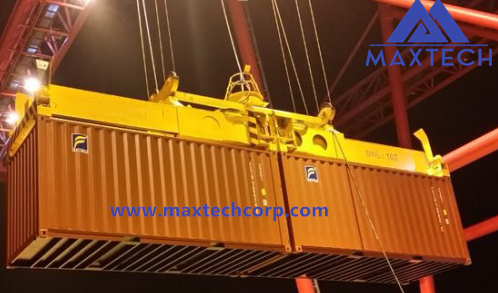
When I talk about container spreaders, I think about the vital role they play in improving efficiency in cargo handling. As a B2B purchaser, you know the importance of reliable equipment, and that’s where our ODM factory comes in. We design and manufacture spreaders that can handle a variety of container sizes, helping you streamline port operations and minimize downtime. Quality and durability are at the top of our priorities, ensuring that our products withstand rigorous use. Plus, customization options are available to fit your specific needs, allowing you to optimize your workflow. With our container spreaders, you’re not just buying equipment; you’re investing in a solution that will boost your productivity and profits. Let’s transform how you handle cargo together.
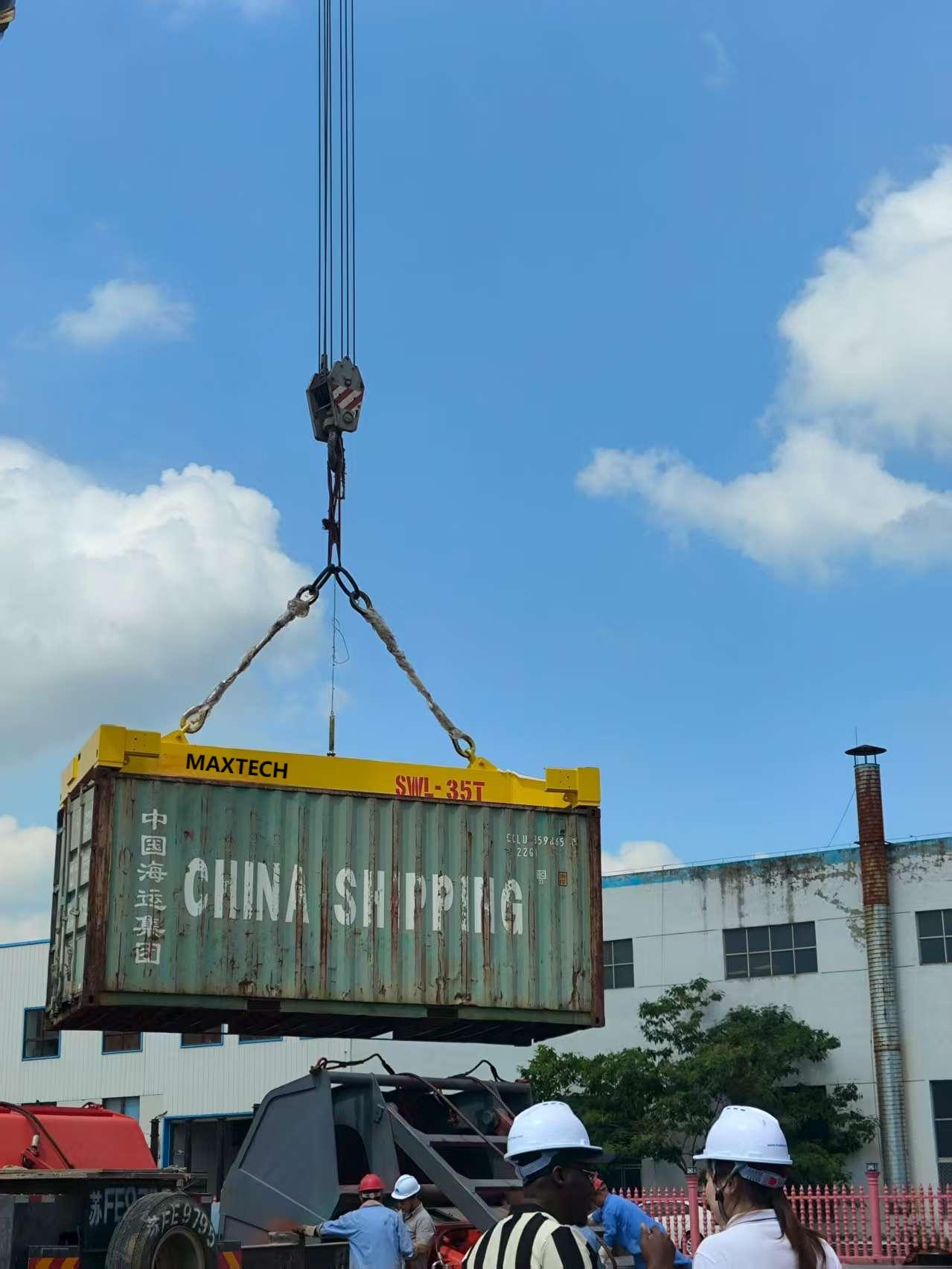
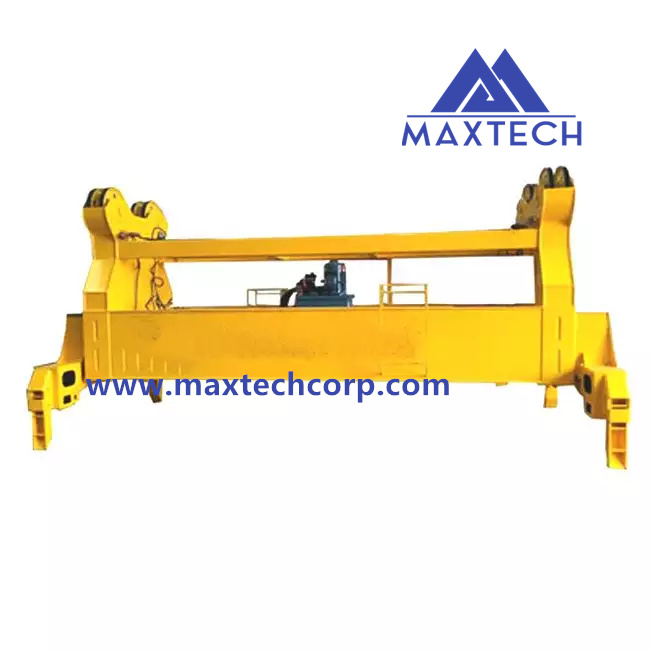
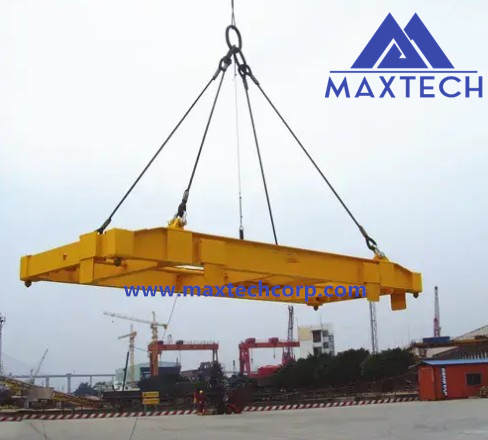
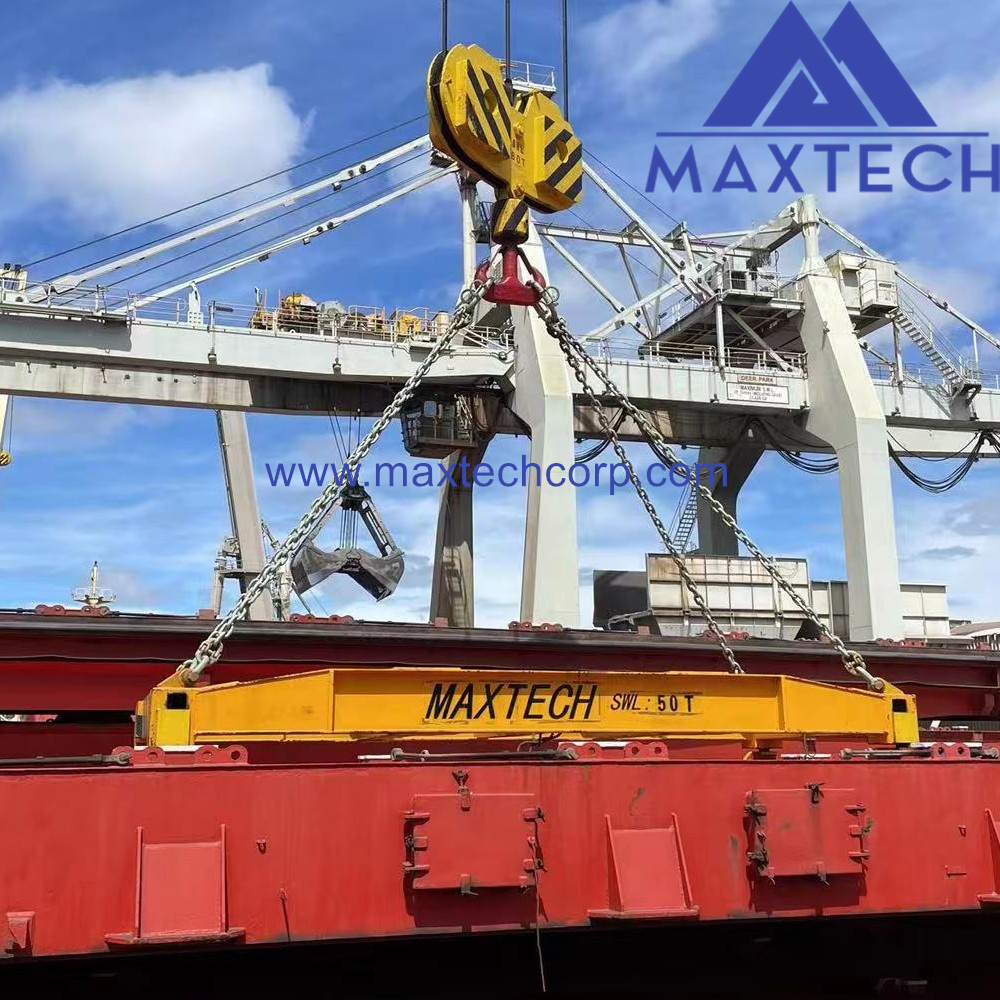
I type container spreader in 2025 Market Leader
The global logistics industry is witnessing transformative changes, with container spreaders being at the forefront of innovation and efficiency. As we approach 2025, the demand for advanced container handling solutions continues to rise. Container spreaders play a pivotal role in facilitating smooth and safe operations at ports, allowing for the effective movement of goods across international waters. With evolving cargo requirements and increasing shipping volumes, the importance of robust and reliable spreaders cannot be overstated. The market for container spreaders is expected to be shaped by advancements in technology, including automation, IoT integration, and enhanced safety features. These developments aim to optimize performance and reduce operational downtime, making it essential for global buyers to stay informed about the latest trends and innovations. Investing in high-quality container spreaders will not only ensure compliance with international standards but also boost productivity and reduce overall costs in the long run. As we prepare for 2025, it’s crucial for procurement professionals to closely monitor the evolving landscape of container handling equipment. Identifying reliable suppliers who understand the intricacies of the industry will be key to securing the best solutions for efficient logistics operations. By focusing on quality, innovation, and strategic partnerships, purchasing decision-makers can ensure their operations remain competitive in an increasingly complex global market.
I type container spreader in 2025 Market Leader
| Model | Capacity (Tons) | Weight (kg) | Dimensions (L x W x H) | Fuel Type | Key Features |
|---|---|---|---|---|---|
| Model A | 30 | 15000 | 8.0m x 2.5m x 3.0m | Diesel | High Efficiency, Compact Design |
| Model B | 40 | 18000 | 9.0m x 3.0m x 3.5m | Electric | Eco-Friendly, Low Noise |
| Model C | 35 | 16000 | 8.5m x 2.8m x 3.2m | Hybrid | Versatile, Advanced Technology |
| Model D | 50 | 20000 | 10.0m x 3.2m x 3.8m | Gasoline | High Capacity, Quick Operation |
Related Products
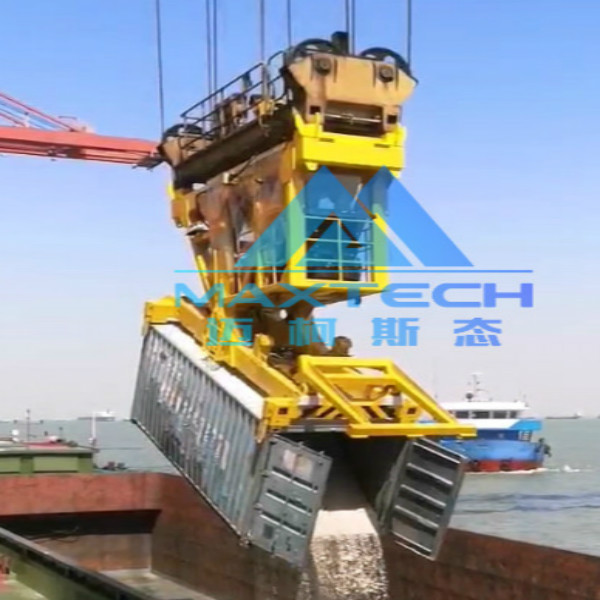
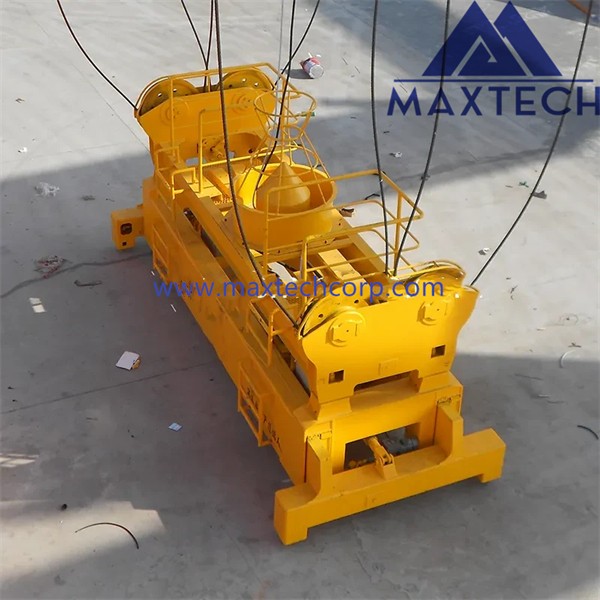
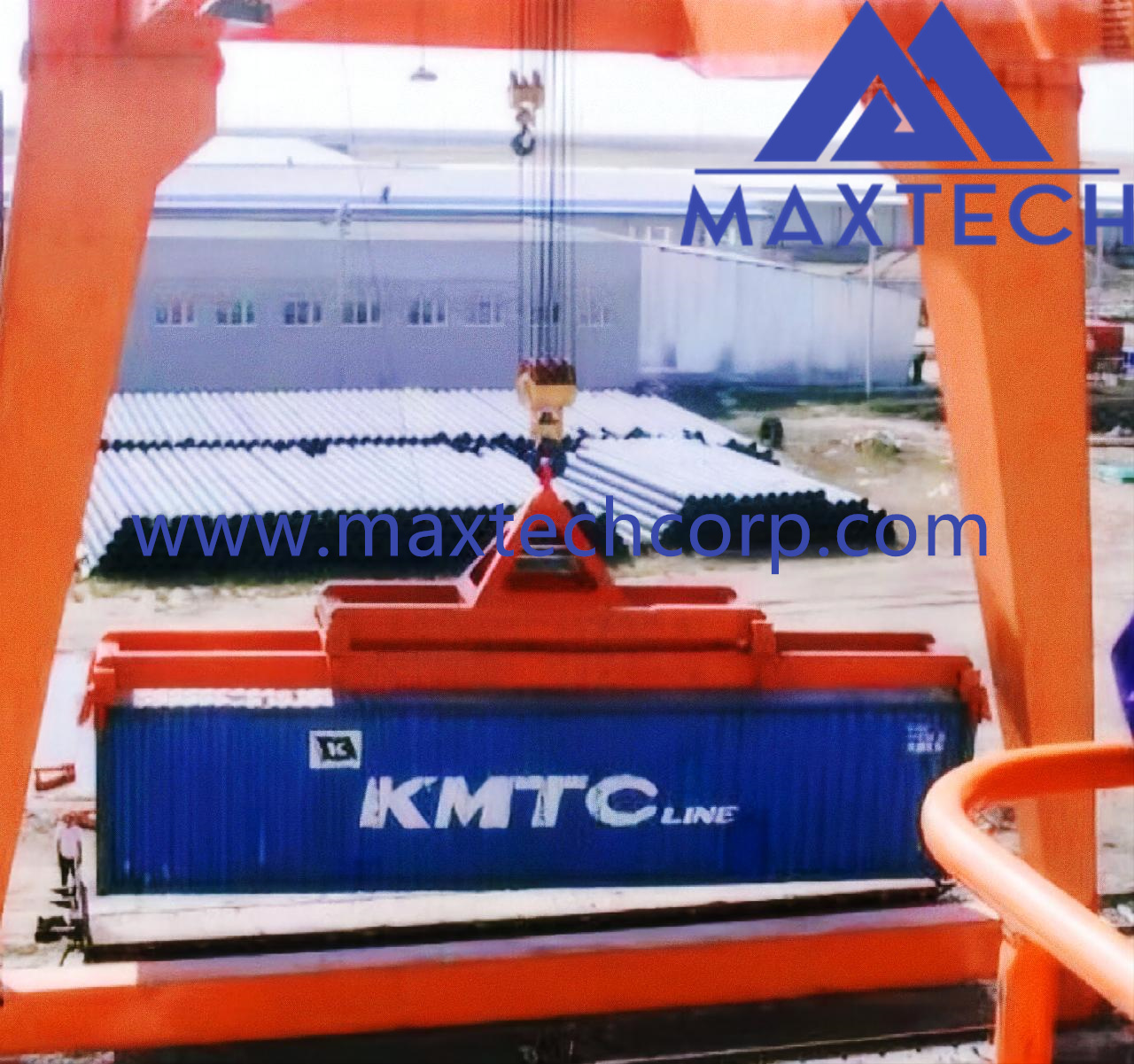
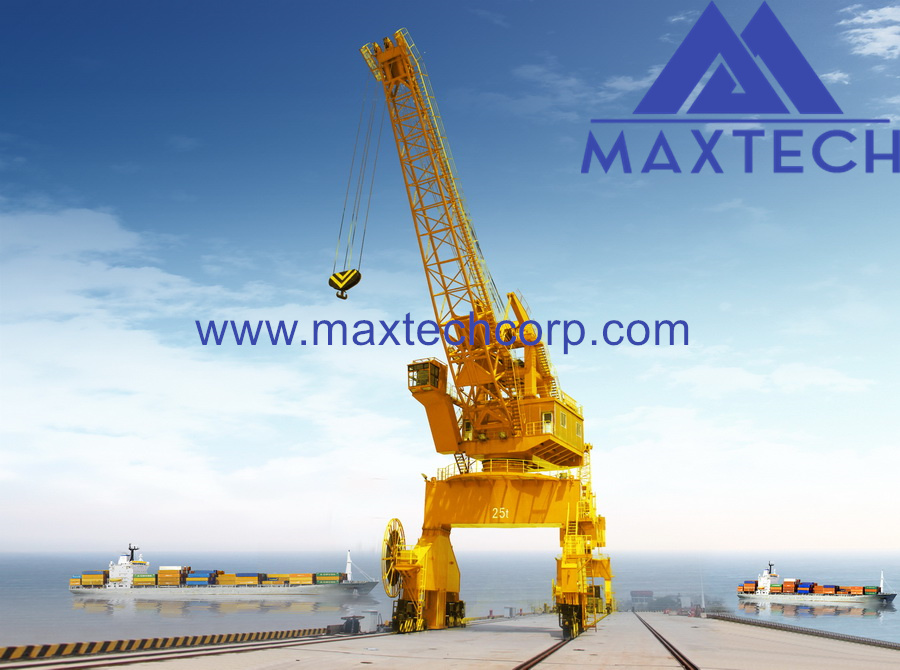
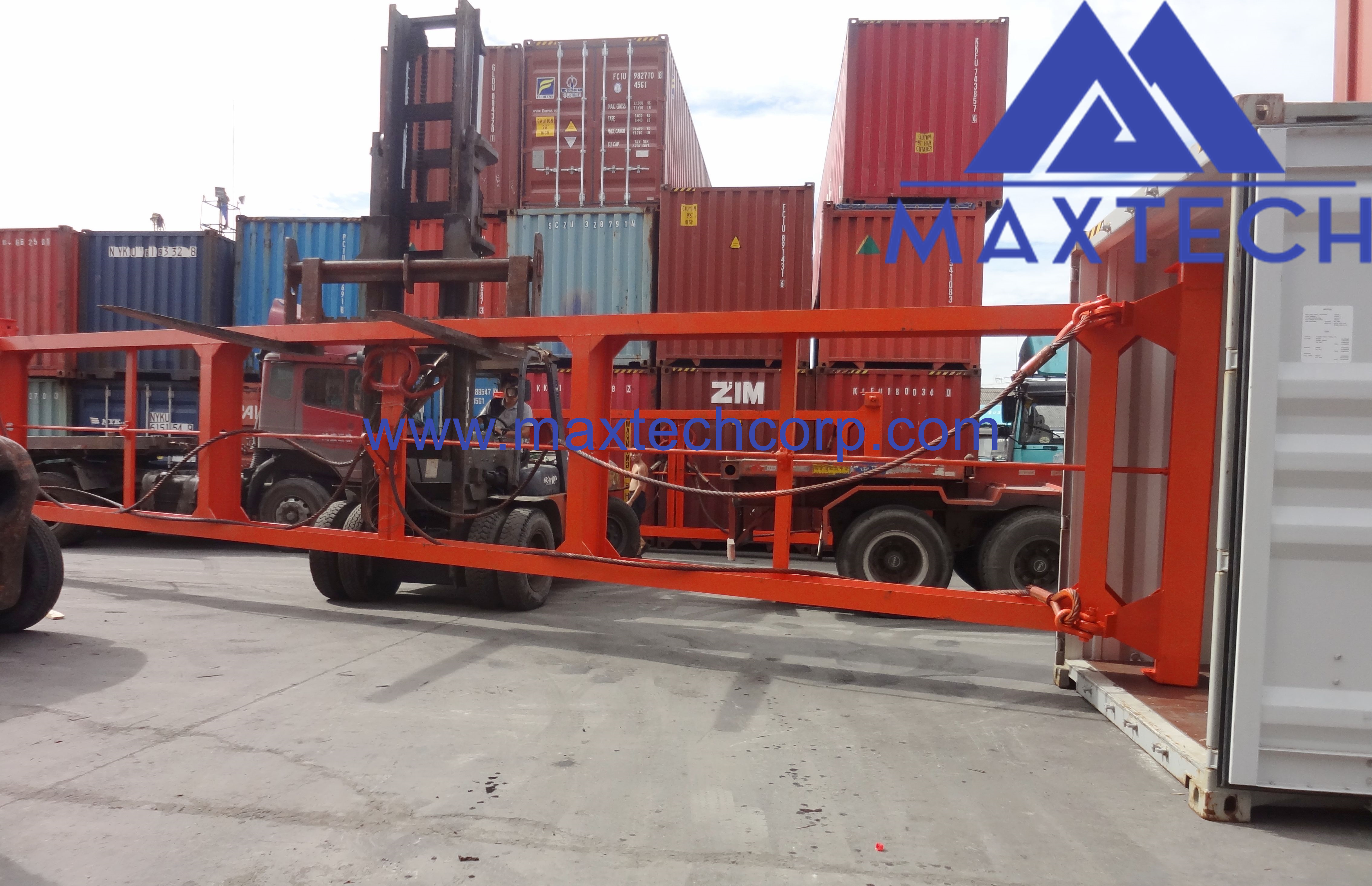
I type container spreader Market Leader Factory-Direct Excellence
Top Selling Products
- Related Blog
- Reviews